Estonian renewable energy EPC company Smartecon finalised a 72.5 MW solar park in Latvia
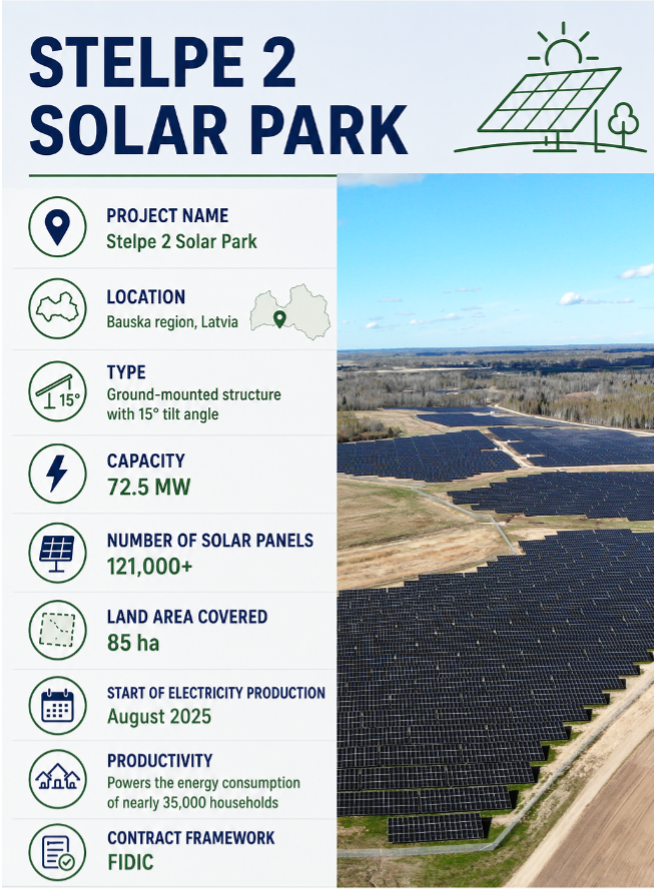
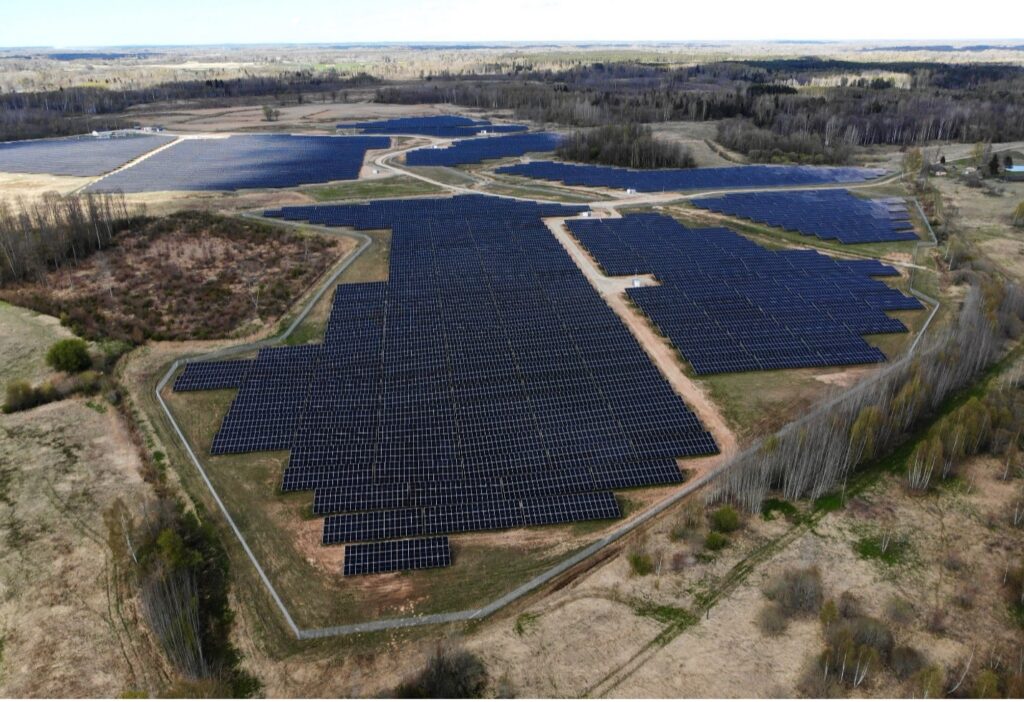
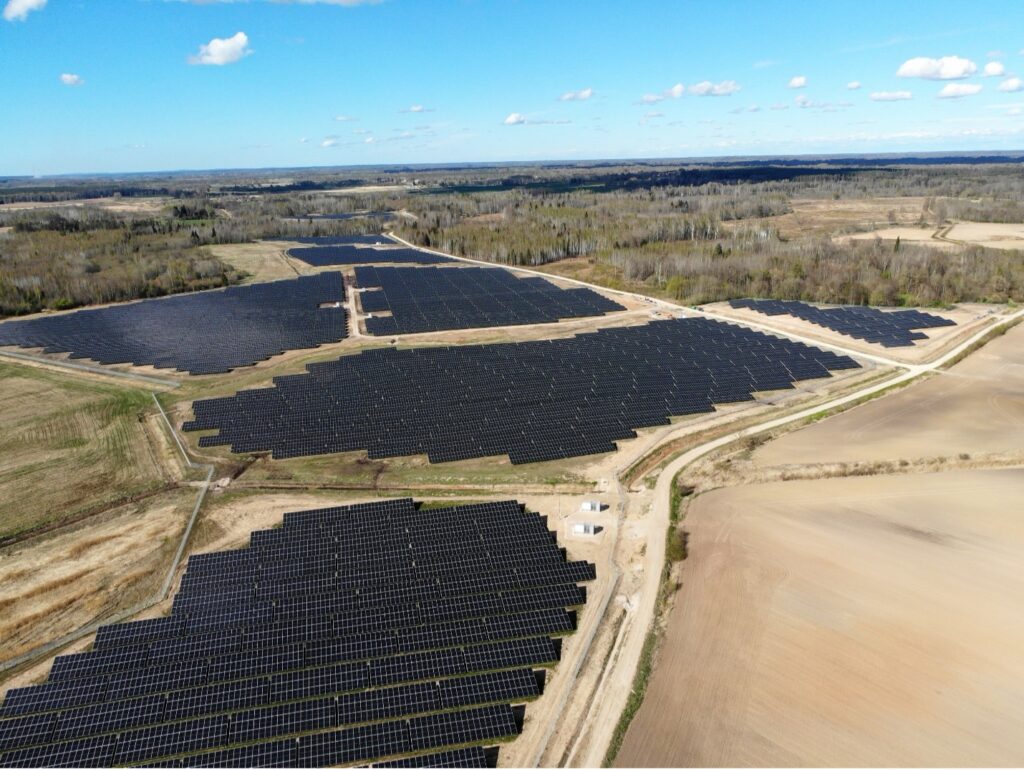
Estonian renewable energy EPC company Smartecon has successfully completed and handed over to the client the Stelpe 2 solar park located in the Bauska region of Latvia.
The solar park started to generate electricity in August 2025, with final grid tests scheduled for the third quarter of 2026. The project marks an important milestone in the Baltic renewable energy sector, not only due to its scale but also due to its international cooperation model: an international green energy company Ignitis Renewables, with roots in Lithuania, as the owner of the project, and an Estonian general contractor Smartecon have come together in Latvia to jointly contribute to the development of renewable energy in the region. For renewable energy developers, the Stelpe 2 project clearly demonstrates that successful utility-scale solar park construction no longer depends solely on installation capability, but also on the ability to simultaneously manage environmental risks, local regulatory processes, geotechnical conditions, and international project management.
Optimising the construction process enabled the client to generate additional revenue
“Close cooperation with the client played a key role in the success of the project,” explains the CEO of Smartecon, Magno Kure. To create greater value for the client, the construction work was organised so that 50% of the capacity could be brought into operation one month earlier. This meant introducing a phased approach to the installation of solar panels, the construction of cable lines and substations, and the grid operator’s procedures. This approach enabled the client to generate revenue from electricity sales while the rest of the solar park construction was still underway.
Smartecon commissioned half of the solar park while finalising the remaining works, enabling the client to generate revenue already during construction.
Several technical solutions were implemented to reduce environmental impacts
According to Smartecon CTO Meelis Melder, reducing environmental impacts was an important component in the development of technical solutions. The park’s fencing and landscaping solutions were designed to allow small animals to move freely through the site. Animal gates were installed for larger animals, while movement corridors were preserved in areas where traditional fencing could have caused habitat fragmentation. Additionally, perching posts were installed for birds, and separate areas were allocated for biodiversity meadows.
Temporary suspension of works due to a potential protected bird nesting site
In addition to the usual challenges of building solar parks, Stelpe 2 presented additional surprises, including the discovery of a potential nesting site for a protected bird species during construction, which led to works being halted across half of the solar park to conduct additional surveys. The work stoppage lasted approximately 1.5 months, and although it affected the project schedule, Smartecon was still able to ensure timely completion of solar park construction, says Smartecon Latvian Head of Construction, Krists Ziemelis.
The second half of solar park was also completed on time.
International cooperation: the new normal in energy construction
Smartecon’s CDO Hannes Aus points out that Stelpe 2 project is a good example of how the renewable energy market is becoming increasingly integrated. The project was developed by an international green energy company Ignitis Renewables with roots in Lithuania as the owner of the project, construction was managed by an Estonian EPC partner Smartecon, and it was implemented in Latvia in accordance with local regulations and grid requirements. Such a model requires strong project management, standardised documentation, and a clear contractual framework. The project was governed by a FIDIC contract model, enabling the structuring of responsibilities, change management, and quality control in an international collaborative environment. This sends an important signal for renewable energy developers: future utility-scale projects require an EPC partner that can simultaneously act as a technical builder, environmental risk manager, and international project manager.